4 Logic Shifts That Transform Your Last-Mile Delivery Management System
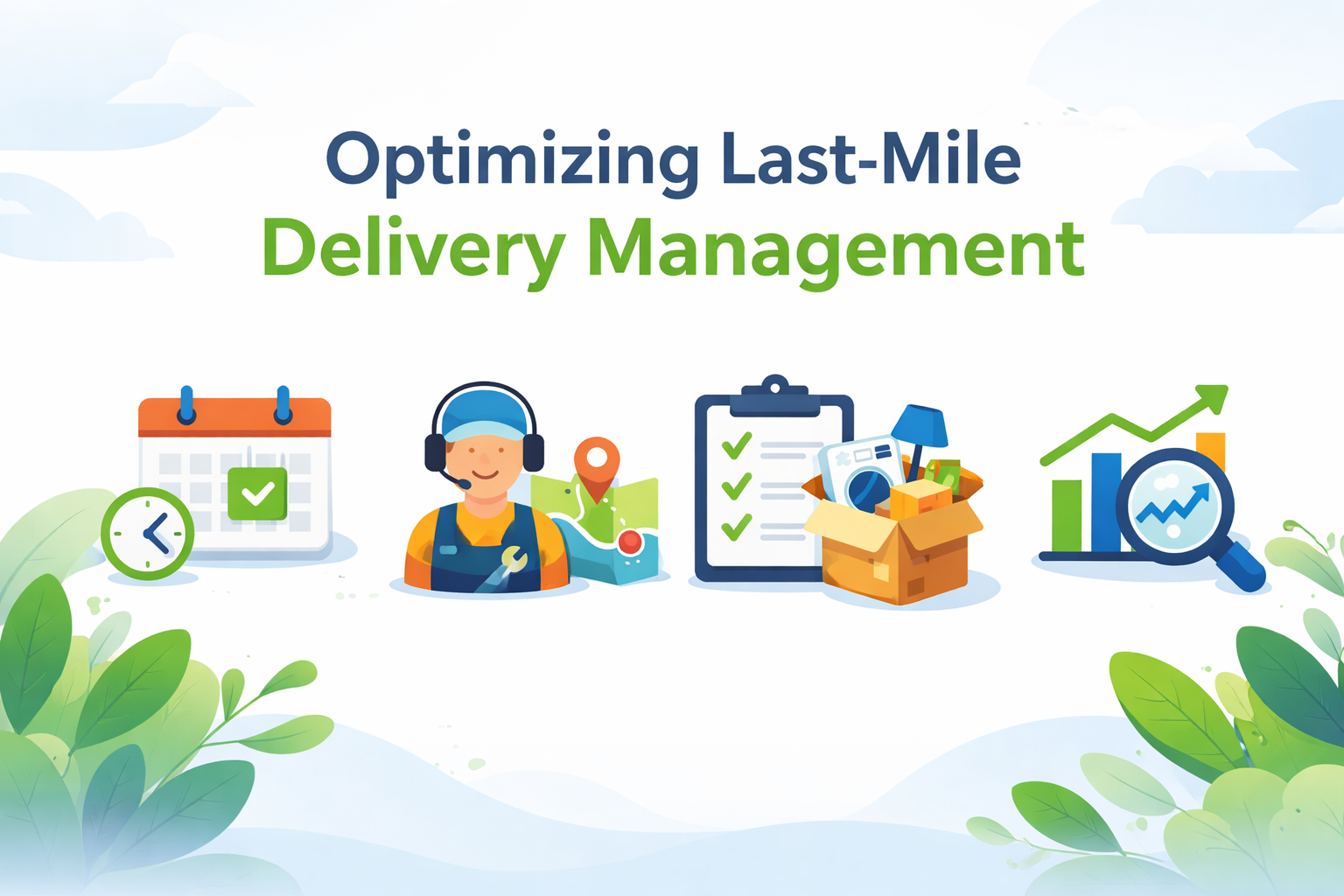

Most delivery management systems don't crash because of the drivers; they fail because the information is broken. In last-mile logistics, delays aren't usually a speed problem. They're the inevitable result of fragmented data, fuzzy deadlines, and a lack of real-world coordination.
It doesn't matter if you're juggling spreadsheets, toggling between five different apps, or trying to make an unorganized Notion page work, the core issue isn't a lack of effort. It's a design flaw. A reliable delivery system isn't built on a series of frantic updates; it's built on connected data.
The Last-Mile Mess: Where Reality Hits the Fan
Last-mile logistics is the ultimate moment of truth. It's where your operational promises finally meet the messy reality of the streets. When something goes wrong at this stage, the fallout is instant: missed windows, rescheduled installs, ticked-off clients, and an office team that's completely burnt out.
In my experience, most companies don't have a commitment problem, they have a structure problem. You see it everywhere: technician skills don't match the job, or a van's maintenance schedule is invisible to the person dispatching it. To build something that actually scales, you need more than just a "to-do" list. You need a relational workflow where your products, teams, and fleet actually talk to each other.
Shift 1: Move From "Best Guesses" to Calculated Deadlines
The first big mistake is setting delivery dates based on a hunch. In a professional setup, deadlines aren't guessed, they are calculated.
Think about it: a refrigerator shouldn't have the same lead time as a toaster. By using a structured database that assigns a "Max Delivery Window" to specific categories (say, 14 days for major appliances vs. 48 hours for small parcels) you take the guesswork out of the equation. When the system automatically flags a deadline based on the purchase date, you stop making promises you can't keep, and customer trust actually starts to grow.
Shift 2: Your Team Is an Asset, Not Just a Row in a Table
Modern delivery usually involves more than just dropping a box on a porch; it involves technical service. This means your delivery crew isn't just a group of drivers, they're specialists.
Your system needs to treat them that way. A smart delivery template links a team member's "Specialization" (like HVAC, furniture assembly, or electronics) directly to the requirements of the order. Throw in geographic location data, and suddenly you're sending the right person to the right neighborhood. That's how you turn a chaotic workday into a predictable, scalable operation.
Shift 3: Don't Treat Every Order Like a Single Block
One of the biggest mistakes in logistics is treating a delivery request as one big, indistinguishable unit. In reality, an order may contain three different items with three different sets of requirements.
Breaking down the items in a dedicated database gives you an overview of your inventory. This way, you'll know which technician to assign to that order (each technician has an assigned vehicle) or if a specific item requires specialized technology. It's all about the details: item weight, number of packages, and specific installation requirements.
Shift 4: Stop Firefighting and Start Using Data
The final shift is moving from reactive "firefighting" to proactive optimization. A solid delivery system gives you a dashboard that actually tells a story.
By reviewing deadline compliance and technician workloads at the end of the month, you can spot the bottlenecks before they break your business. Using clean data, like dropdown menus instead of messy manual text, ensures your reports are actually accurate. It's the difference between guessing why you're late and knowing exactly how to fix it.
Conclusion: Structure Is What Scales
Winning at the last mile isn't about driving faster. It's about building a better backbone. When your products, requests, people, and vehicles are all connected in one relational system, execution becomes second nature.
The real question is: Are you going to keep fighting with static data and manual corrections, or are you ready for a system that supports your growth automatically? If you're ready to skip the "build from scratch" phase, a relational Notion template can help you bridge that gap and get your operations under control.
Ready to Build a Relational Delivery System?
If you're looking to implement these five logic shifts without building everything from scratch, you can use a structured delivery management Notion template designed around relational intelligence.
Explore the Product Delivery Management Template